 Julia Somlo
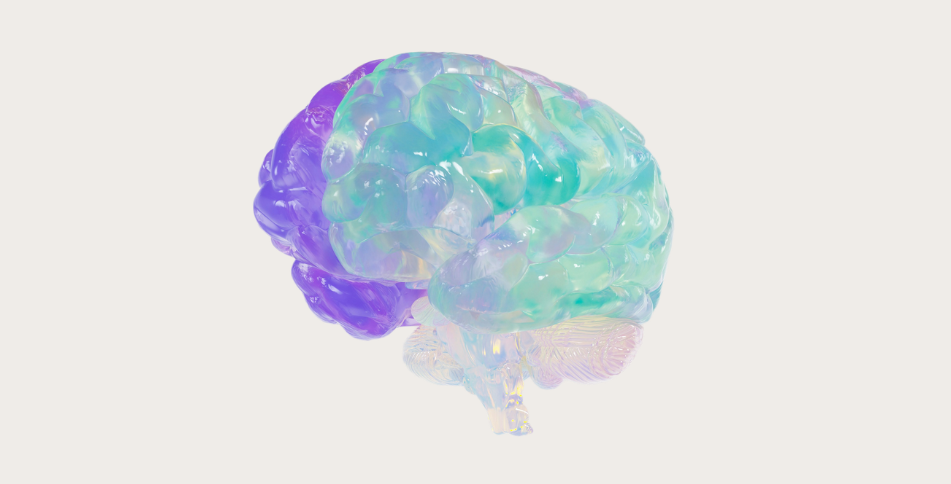
As biotechnology becomes increasingly interconnected, it’s crucial to understand both the benefits of brain chips for people with disabilities and the data privacy risks they pose. Invasive Brain Computer Interfaces, or invasive BCIs, are one type of cutting-edge biotechnology that can revolutionize the world of medicine; however, they can also cause breaches of user privacy and environmental issues in local communities.
Unlike EEGs, brain chips can monitor brain activity much more precisely. While many people use this for controlling prosthetic limbs, there’s a risk associated with the storage of the Brain-Computer Interface’s data; if companies gain access to this data, users’ privacy could be compromised. Because thoughts are stored inside the BCI device, there’s a risk that neurocognitive information could be sold or misused. Misuse of user data points to a growing problem: many users do not know exactly what they are consenting to before buying a neurocognitive implant.
US politicians are calling for the Federal Trade Commission (FTC) to place regulations on how neural data is used in the future, and for stronger data protection policies before invasive BCIs become commonplace. According to a press release, Senator Maria Cantwell, along with Democratic Leader Chuck Schumer and Senator Ed Markey, wrote to the FTC in a letter, stating, “Unlike other personal data, neural data — captured directly from the human brain — can reveal mental health conditions, emotional states, and cognitive patterns, even when anonymized. This information is not only deeply personal; it is also strategically sensitive” (U.S. Senate Committee on Commerce, Science, & Transportation). Additionally, they highlighted how the sale of data, especially from minors, is highly unethical, which can raise red flags on how this technology may be used in the future.
While BCI technologies are not yet commonplace, the potential environmental effects that BCIs can have are significant. For instance, this technology will require the construction of several data centers to store large amounts of data necessary for many AI models to run. However, these data centers and their demand for natural resources have taken a toll on the local environment in places around the United States. Although little information exists on how many new data centers BCIs might require, their widespread adoption could lead to a significant expansion of data infrastructure nationwide, causing even more problems in small communities’ environments, and potentially accelerating the effects of climate change.
For years, advocates from around the country, such as Californians for Consumer Privacy, have pushed for laws that can protect all users from data breaches. Due to the continued advocacy of these groups, California passed the Consumer Privacy Act in 2018, finally allowing consumers to have control over their data. Due to legislation like this, BCIs may not be as much of a threat in the future if data collection continues to be regulated, and maybe in the future, we can trust all sorts of interfaces that can collect biometric data.
Sources:
header image used under the Unsplash License
https://arxiv.org/html/2412.11394v1
https://pmc.ncbi.nlm.nih.gov/articles/PMC11091939/#sec2
https://pmc.ncbi.nlm.nih.gov/articles/PMC11542783/#sec002
https://www.nytimes.com/2025/10/20/technology/ai-data-center-backlash-mexico-ireland.htm

 What is a Microtrend?